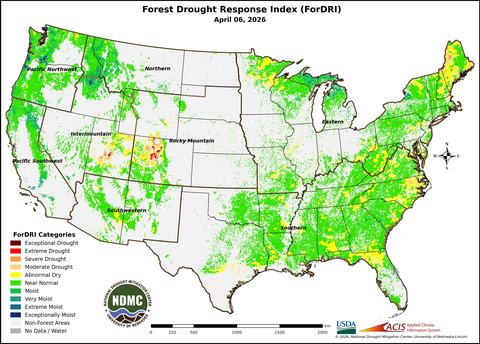
North Carolina is facing drought conditions with many areas in severe or extreme drought as indicated by the U.S. Drought Monitor.
The Forest Drought Response Index indicates several 'abnormal dry' and 'moderate drought' forest areas throughout NC.
With no rain in the forecast, you may wonder what this means for your forest.
As a landowner, it’s important to recognize how drought affects both native and urban forests. Drought can significantly stress trees, particularly as they grow and absorb moisture from the soil. Insufficient rainfall and high temperatures can inhibit growth and stress trees. Proper forestry management practices can keep your trees healthy and resilient to drought stress.
Symptoms of Drought Stress
When trees experience drought stress, there are visible symptoms you should look out for:
- Yellowing or Browning Leaves
- Early Leaf Fall (often noticed in June or July)
These symptoms are common responses to heat and drought. Healthy trees can typically regrow leaves if rainfall follows, but trees may shed leaves even with minimal drought stress, primarily during the hottest months.
High Danger for Newly Planted Trees
Newly planted tree seedlings, especially those planted in old, compacted agricultural fields, are particularly at risk during the early season, spring drought. Because bare-root seedlings have fewer fine roots, they require special attention. These are the most commonly planted pine seedlings. Containerized seedlings (seedlings planted with some soil, grown in individual containers) have been shown to be a little more resistant to early season drought. These seedlings retain most of their fine roots. Fine roots have a lot of surface area, allowing them to absorb more moisture early on. Both seedlings quickly establish their root systems after one year.
- Monitor Competition: Manage grasses and other plants that may compete with young trees for water. Early-season herbicide spraying can alleviate stress on newly planted trees.
- Provide Care: Newly planted urban and street trees should be mulched and regularly watered to support their health. Mulch lowers the soil temperature and prevents evaporation from the soil.
Risk of Multiple Stressors
Drought typically does not kill mature trees in natural forests of the Southeast, US, in isolation. When combined with other stressors like fire or insect damage, the risk to trees increases.
Urban trees often face additional stressors, such as road salt, stormwater runoff, and soil compaction, making them more vulnerable during drought. Soil compaction limits tree root depth, preventing them from reaching deeper soil layers.
Trees in forests generally have root systems more than twice the length of their canopies and about 12-18” deep, making them very efficient at extracting all available moisture.
What You Can Do as a Forest Landowner
Monitor Newly Planted Seedlings
- Check the survival rate of bare-root seedlings at the end of the growing season after the first frost. Young pine trees can be difficult to find among weeds during the first growing season. 80-90% survival is great; below 50% indicates failure. If you have survival concerns, consult with a Consulting Forester or local NC Forest Service County Ranger.
Monitor Your Forest
- Established forests, greater-than-1-year-old trees typically withstand moderate to severe drought without the addition of other stressors, including wildfire, insects, and disease. In response to severe drought, native trees will use less water and slow down in growth. Once it rains, trees quickly respond by growing new leaves.
- Closed canopy pine forests should be monitored to assess their health. Crowded trees can compete for resources and may attract pests. Thinning pine plantations will keep them healthy and resistant to drought stress.
Identifying Pine Tree Issues
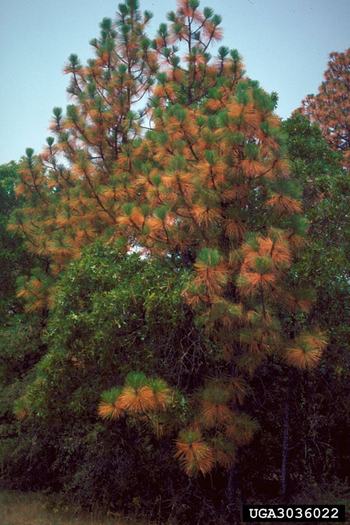
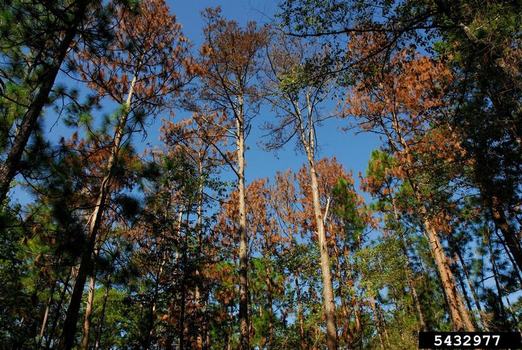
Keep an eye out for the signs of pine tree stress. A dead pine tree will have:
- Bright brown needles
- Peeling bark
This could indicate pine beetle damage. Several native beetles, such as the IPS beetle and southern pine beetle, can cause varying levels of harm, with the southern pine beetle being particularly destructive. If you suspect pine beetle activity, contact your local NC Forest Service County Ranger for specific recommendations. Typically, this may involve tree removal, and because these beetles are native, no quarantine is necessary.
Conclusion
While sudden droughts can impact our forests, the biggest threat is to our recently planted seedlings. To prevent additional stressors from killing your trees, you can take proactive steps to ensure the health of your forest and urban trees. Regular monitoring and proper care can make a significant difference in sustaining your landscape during challenging climatic conditions.
If you have any concerns with your forest, contact either your local N.C. Cooperative Extension Agent, your local NC Forest Service County Ranger, or your Consulting Forester.